 Business License
How to Choose a Polycarbonate Greenhouse for Wholesale and Retail Markets
How to Choose a Polycarbonate Greenhouse for Wholesale and Retail Markets
For importers, distributors, garden centers and home improvement retailers, choosing the right polycarbonate greenhouse involves much more than comparing sizes and prices. A successful greenhouse range should match local customer preferences, climate conditions, retail positioning, packaging requirements and installation expectations.
For B2B buyers, evaluating the structure, panel material, ventilation, dimensions and customization options before placing an order can help create a more competitive and manageable product range.
1. Start with the Greenhouse Structure
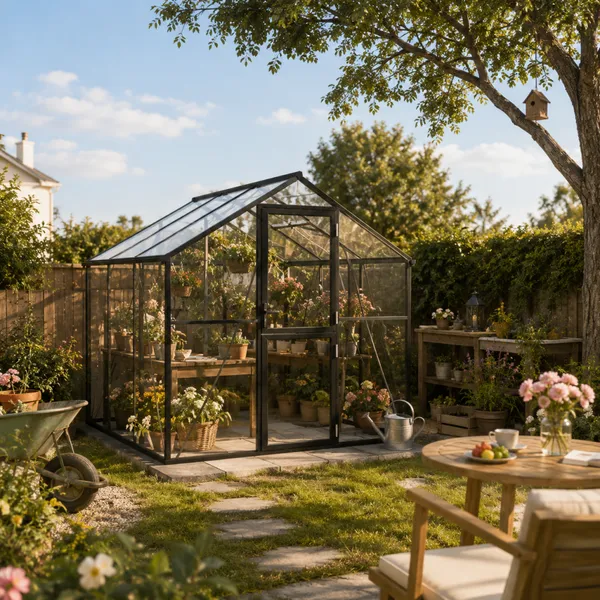
Freestanding greenhouses are among the most versatile choices for residential gardens and backyards. Because they do not need to be attached to an existing building, users have more flexibility when choosing an installation location.
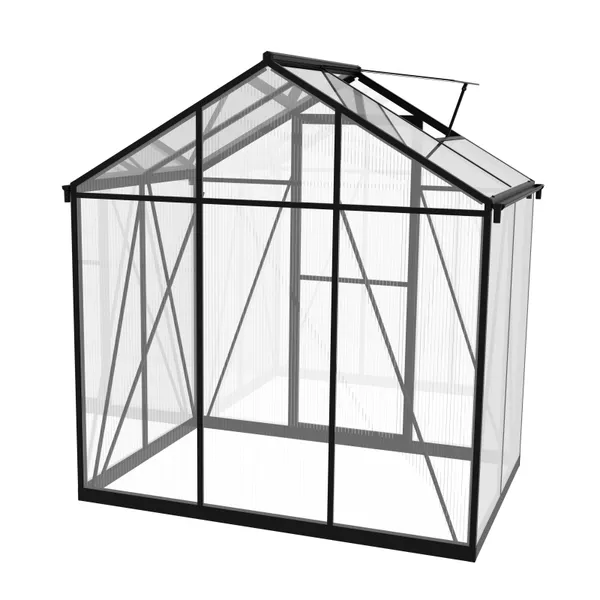
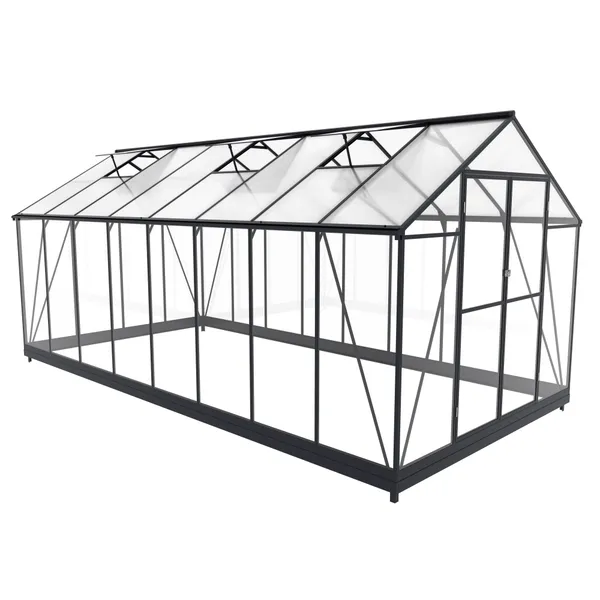
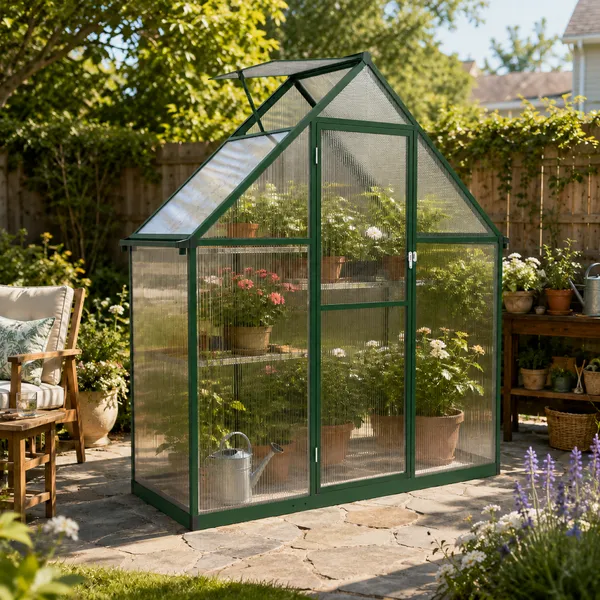
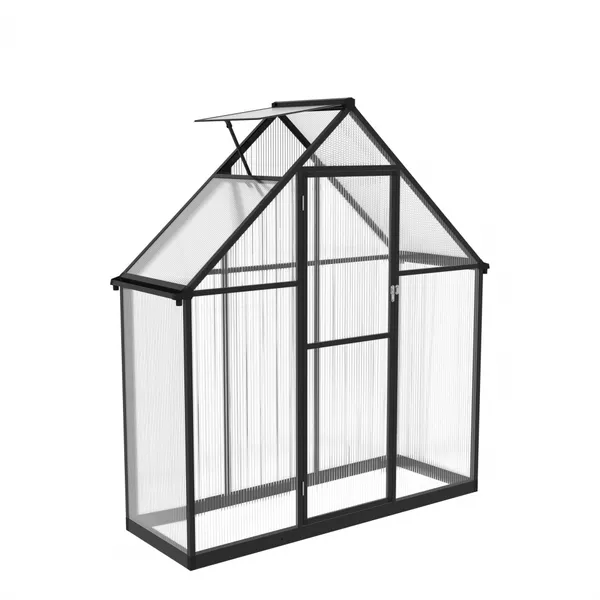
A typical aluminum polycarbonate greenhouse combines a lightweight metal structure with transparent or translucent polycarbonate glazing. This configuration is suitable for growing vegetables, flowers, herbs and seedlings while providing plants with additional protection from outdoor conditions.
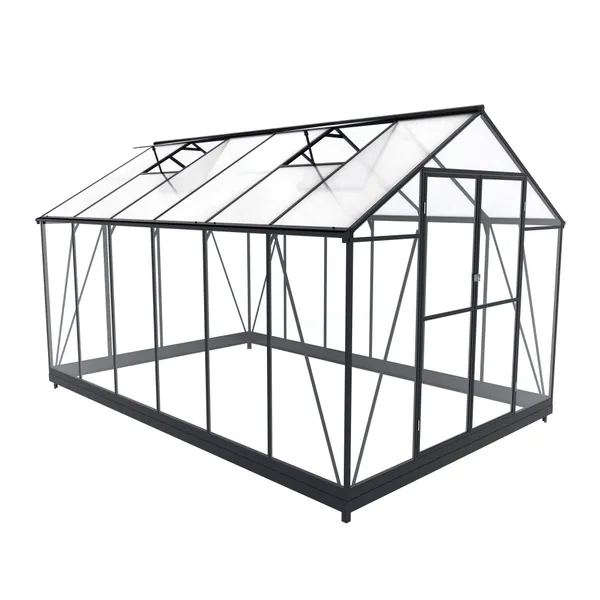
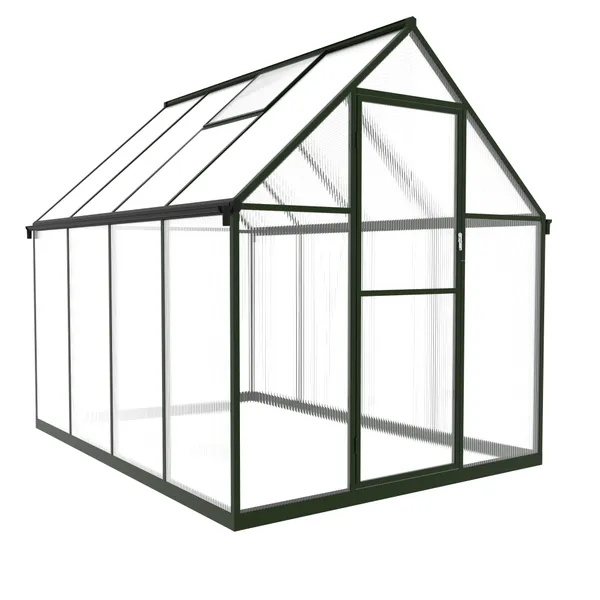
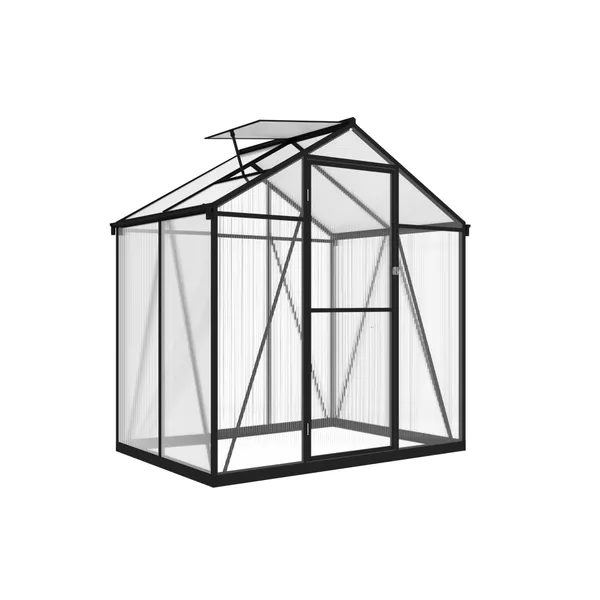
For buyers developing this type of product range, the LERYOU Custom Aluminum Polycarbonate Garden Greenhouse Kit provides a useful starting point for wholesale and customized greenhouse projects.
2. Consider the Polycarbonate Panel Configuration
Polycarbonate panels are widely used for garden greenhouses because they combine relatively low weight with practical durability and light transmission.
When sourcing a greenhouse, buyers should confirm important panel specifications with the supplier, including:
Panel type and structure
Panel thickness
UV protection requirements
Transparency or color options
Roof and wall panel configuration
Replacement panel availability
The appropriate configuration may vary depending on the target market, local weather conditions and retail price positioning.
3. Evaluate Doors and Ventilation
Ventilation is an important consideration for garden greenhouse users. During warmer periods, enclosed greenhouses can accumulate heat quickly, so roof vents and other ventilation options can improve airflow and make temperature management easier.
Door configuration should also be evaluated carefully. Buyers should consider entrance width, opening style and ease of access for plants, tools and garden equipment.
4. Build a Practical Size Range
Offering too many unrelated greenhouse sizes can increase inventory complexity. For many importers and distributors, a better approach is to build a structured range around several popular dimensions using a similar basic greenhouse design.
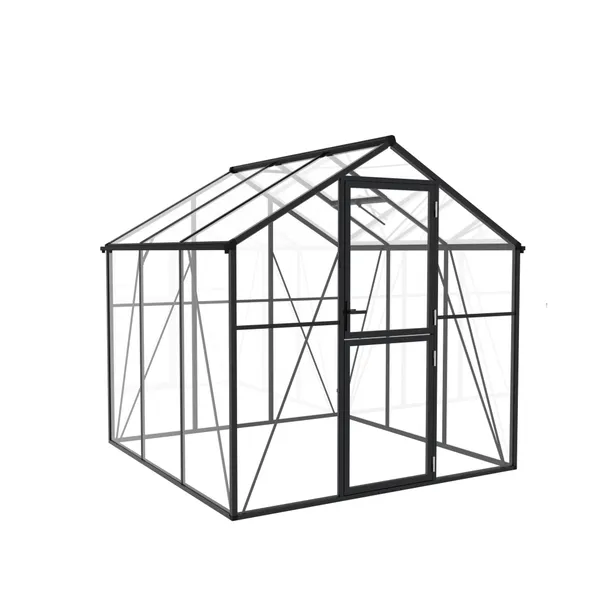
For example, a product family may include compact models for smaller residential gardens, medium-sized models for mainstream customers and larger walk-in greenhouses for customers requiring more growing space.
5. Check Packaging Before Bulk Ordering
Packaging is particularly important for greenhouse kits because each product may contain aluminum profiles, polycarbonate panels, hardware, doors, vents and multiple installation components.
Before confirming a bulk order, B2B buyers should review:
Carton dimensions and weight
Protection for panels and profiles
Hardware organization
Component identification
Assembly instructions
Barcode and label requirements
Container loading efficiency
6. Plan OEM and Private Label Requirements Early
For distributors and retailers selling under their own brands, customization should be discussed during product development rather than after the final specification has already been confirmed.
Depending on the project, customization can involve greenhouse dimensions, frame colors, panel configurations, doors, roof vents, accessories, product labels, packaging and instruction manuals.
The LERYOU Aluminum Polycarbonate Garden Greenhouse can be configured for different B2B market requirements, helping importers and distributors develop a greenhouse range around their target customers.
Conclusion
There is no single greenhouse configuration suitable for every market. A garden center, online retailer and home improvement distributor may each require different sizes, accessories and packaging solutions.
The most effective sourcing process starts by defining your target market, sales channel, preferred dimensions, panel requirements, accessories and expected order quantity.
Looking for a customized greenhouse solution? Explore the LERYOU Polycarbonate Garden Greenhouse or contact LERYOU to discuss your wholesale, OEM or private-label requirements.
Recently Posted
-
OEM Garden Products Sourcing Guide: What Importers Should Confirm Before Mass Production
September 19, 2026OEM Garden Products Sourcing Guide: What Importers Should Confirm Before Mass ProductionOEM garden products can help importers, di Read More
 -
How to Build a Garden Storage Product Range for Retail and Wholesale Markets
September 19, 2026How to Build a Garden Storage Product Range for Retail and Wholesale MarketsGarden storage is no longer limited to one standard me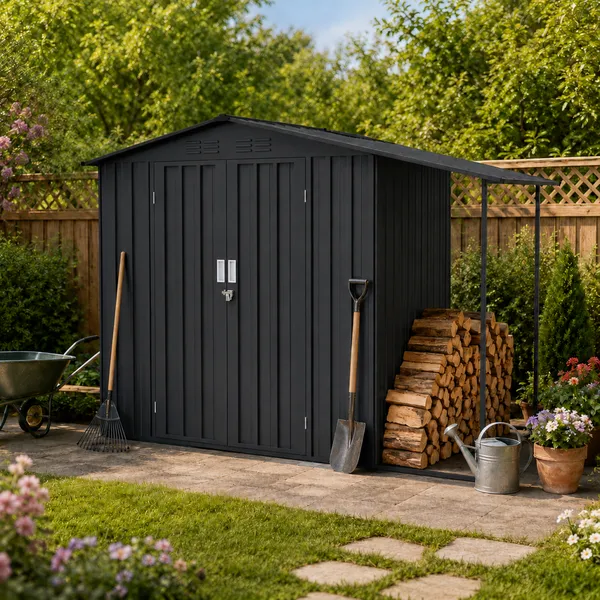 Read More
 -
Lean-To Greenhouse vs Freestanding Greenhouse: Which Is Better for Your Product Range?
September 19, 2026Lean-To Greenhouse vs Freestanding Greenhouse: Which Is Better for Your Product Range?For greenhouse importers, distributors and g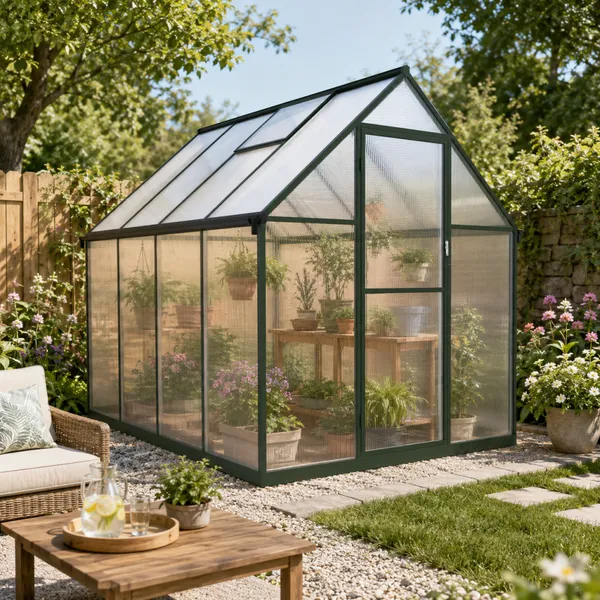 Read More
 -
Skylight Metal Garden Sheds: How Natural-Light Features Can Differentiate a Retail Range
September 10, 2026skylight garden shed product page and the broader skylight garden shed category. These pages establish the product direction, whil Read More

Contact Us
Recommended Products
-
 All Season Aluminum Garden Greenhouse With UV Protected Polycarbonate Panels for Vegetables Flowers and SeedlingsNegotiableMOQ: 100 Combos
 -
Large Outdoor Garden Greenhouse With Polycarbonate Panels Roof Vents and Aluminum Frame for All Season GrowingNegotiableMOQ: 100 Combos
-
Modern Aluminum Garden Greenhouse Kit With Polycarbonate Panels and Roof Vent for Outdoor Plant GrowingNegotiableMOQ: 100 Combos
-
LERYOU Panoramic Aluminum Glass Sunroom for Garden LivingNegotiableMOQ: 100 Combos
-
LERYOU Customized Aluminum Patio Enclosure Sunroom for WholesaleNegotiableMOQ: 100 Combos
-
LERYOU Custom Aluminum Polycarbonate Garden Greenhouse Kit for WholesaleNegotiableMOQ: 100 Combos
-
Custom Aluminum Lean-to Polycarbonate Greenhouse for Wholesale BuyersNegotiableMOQ: 100 Combos
-
LERYOU Freestanding Aluminum Garden Sunroom for Outdoor RelaxationNegotiableMOQ: 100 Combos
-
LERYOU Aluminum Patio Enclosure With Glass or Polycarbonate PanelsNegotiableMOQ: 100 Combos
-
LERYOU Skylight Metal Garden Shed for Outdoor Tool StorageNegotiableMOQ: 100 Combos
-
LERYOU OEM Private Label Metal Garden Shed ManufacturerNegotiableMOQ: 100 Combos
-
LERYOU Apex Roof Metal Garden Shed With for Backyard StorageNegotiableMOQ: 100 Combos
-
LERYOU Pent Roof Metal Garden Shed for Outdoor Tool StorageNegotiableMOQ: 100 Combos
-
LERYOU Compact Metal Tool Shed for Patio and Small GardenNegotiableMOQ: 100 Combos
-
HealthLERYOU Double Door Metal Storage Shed for Garden and BackyardNegotiableMOQ: 100 Combos
-
LERYOU Galvanized Steel Garden Tool Shed for Outdoor StorageNegotiableMOQ: 100 Combos
-
LERYOU Custom Outdoor Metal Garden Storage Shed for WholesaleNegotiableMOQ: 100 Combos
-
LERYOU Aluminum Garden Sunroom Kit for Backyard and PatioNegotiableMOQ: 100 Combos
-
LERYOU Modern Aluminum Glass Sunroom for Outdoor Living SpaceNegotiableMOQ: 100 Combos
-
LERYOU Custom Aluminum Polycarbonate Sunroom for Patio and GardenNegotiableMOQ: 100 Combos